
Peer to Peer Support for UHL Anaesthetics Consultants and SAS Doctors

Two blue stick people sitting down chatting with P2P logo
“We work in extremely demanding roles, and at some point in our careers, many of us will struggle — whether returning to work or managing the pressures of senior clinical life. Talking is often all that is needed, but there isn’t always someone you feel able to talk to. This programme creates a space where colleagues can speak openly, be listened to, and feel supported — without judgement. I would like to see a culture where not talking is seen as the failure.”
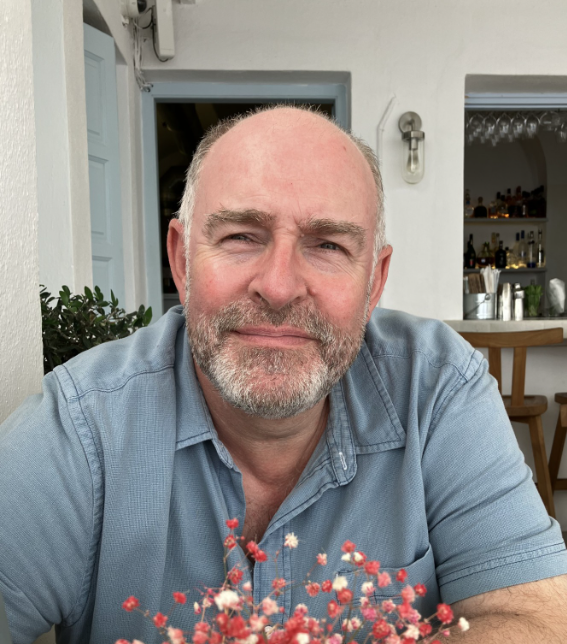
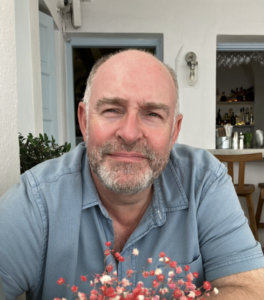
Man sitting down and smiling
Dr Paul Sharpe
Consultant & Lead Peer Supporter
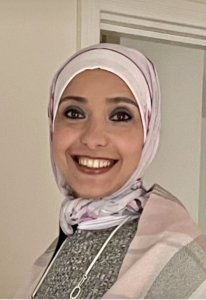
For senior doctors, by senior doctors

This programme offers a confidential, non-judgemental space for senior doctors (Consultants and SAS doctors) to talk through concerns with a trained peer — someone who understands the realities of senior clinical work.

You will find further information about this programme below and how to make contact with us.

A message from Dr Paul Sharpe

“I am hoping to put together a peer-to-peer support system which provides a sounding post for senior doctors in difficulty, be that returning to work or finding it difficult to cope with the pressures of senior clinical life.  It provides a structured, but informal opportunity to talk to others, order your concerns and if necessary, help signpost you to more formal support should it be needed.
 
Whilst a number of situations are seen in newly appointed colleagues it is vital that we realise nobody is immune and well-established doctors can run the risk of burnout at any point in their career.
Talking can often be all that is required, but there isn’t always someone you feel you can talk to.  You may feel reluctance to discuss with your immediate close network, concerned about expressing a need to talk as an expression of being a failing clinician.  
I would like to see a culture where not talking is seen as the failure.  We work in extremely stressful roles with ever increasing demands on our time, at home and at work.  My aim is to establish a group of peers to support their colleagues, providing an opportunity to talk within and outside of your clinical areas, lowering the barriers people may feel towards talking and being listened to.
 
Our project is affiliated with Amica, Clinical Psychology and Occupational health.  Our group of peer supporters have had training from clinical psychology, but we are not there to diagnose or treat you.  Our training has been to help us listen more effectively, in the belief that this is often enough to help you order your problems and reach your own solutions.  We have also been made aware of how to help should you need your concerns to heard in a more formal setting, and can help you access that help more effectively.
 
On a personal level I would like to put in motion a project which delivers a little of what I experienced on my own return to work.  I had a considerable amount of time away and returning would not have been possible without the support of peers within my department, something I know not all colleagues are able to access.  I am convinced that discussing my ambition and reluctance to say no, leading to a situation of clinical burnout, before I had to be away from work would have been even more powerful.”

Why this exists

Consultant and senior doctor roles are demanding and, at times, difficult — whether newly appointed, returning to work, or established in post.

Many doctors experience what is now described as moral distress — the unease that arises when you know what the right thing is for a patient, but are unable to act due to time, staffing, or system constraints. BMA Moral distress and moral injury pdf

When these situations are repeated or prolonged, they can contribute to moral injury, associated with more significant psychological strain. BMA Moral distress and moral injury pdf

Many doctors report that this reflects their experience of working in the NHS. BMA Moral distress and moral injury pdf

This programme recognises that reality, and provides a space to talk about it.

What is peer to peer support?

This is a structured but informal opportunity to:

  • Talk things through with a consultant colleague
  • Reflect on what is going on
  • Make sense of concerns
  • Decide what, if anything, you want to do next

The aim is simple: to make it easier to have conversations that might otherwise not happen.

To request a conversation, complete the short form at the bottom of this page. This asks a few brief questions about your situation and preferences.

Once submitted:

  • You will be matched with a trained peer supporter
  • They will contact you directly to arrange a time to talk

In the conversation, they will:

  • Provide a confidential, non-judgemental space
  • Listen, without interruption or agenda
  • Help you reflect on and organise your thoughts
  • Support you to work out your own next steps, if needed

Often, that conversation is sufficient.

If further support is needed, they can help you access it.

It is not always straightforward to speak openly:

  • You may not want to raise things within your immediate team
  • You may be unsure how it will be perceived
  • You may simply not have had the opportunity to stop and reflect

Speaking to a peer — outside your immediate working environment but familiar with the role — can make this easier.

Where appropriate, there is access to:

  • Amica (mental health support services)
  • Occupational Health

These sit alongside the peer support offer.

About the Peer Supporters

Peer supporters are consultant and colleagues who understand the context and pressures of the role.

This is a peer-led programme, developed and delivered by consultants.

Peer supporters:

  • Are consultants and SAS doctors from across the organisation
  • Have been trained in listening and peer support approaches
  • Are supported by clinical psychology and staff support services

They are not there to diagnose or treat, but to provide space to think and talk.

All peer supporters:

  • Have completed training in peer support and listening skills
  • Receive ongoing support and supervision
  • Can access additional support themselves if needed

Details of peer supporters, including roles and backgrounds, are provided below.

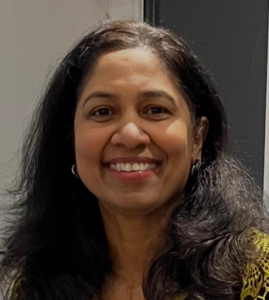
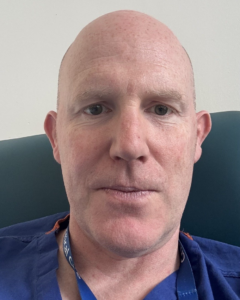
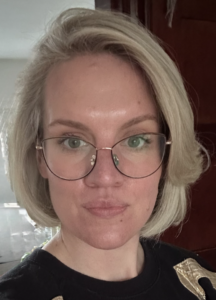
Meet our Peer Supporters